Cafe Catering Ideas to Expand Your Revenue
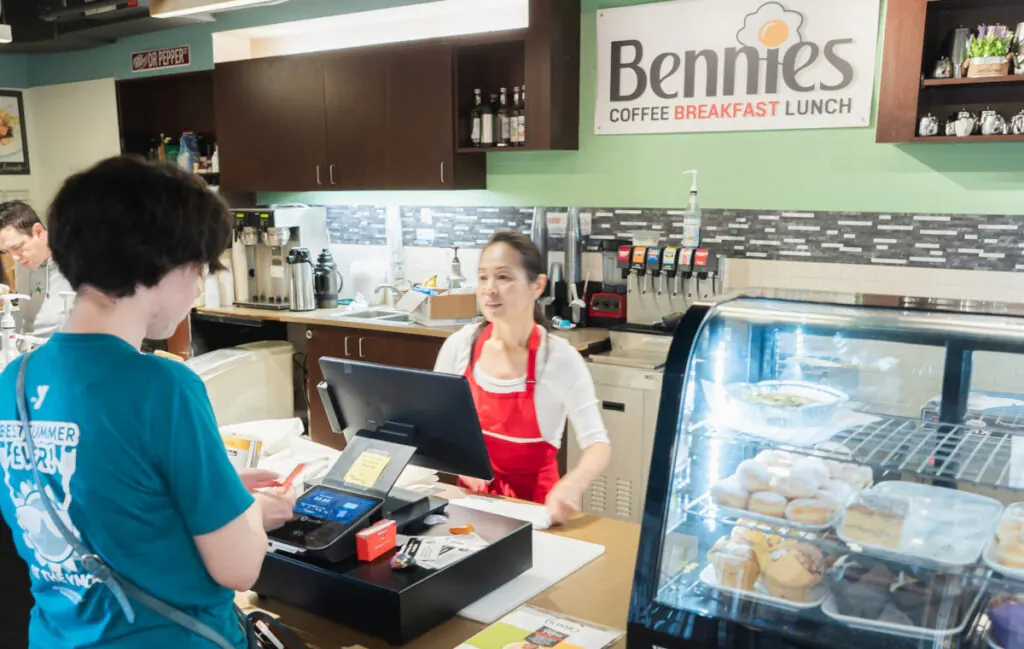
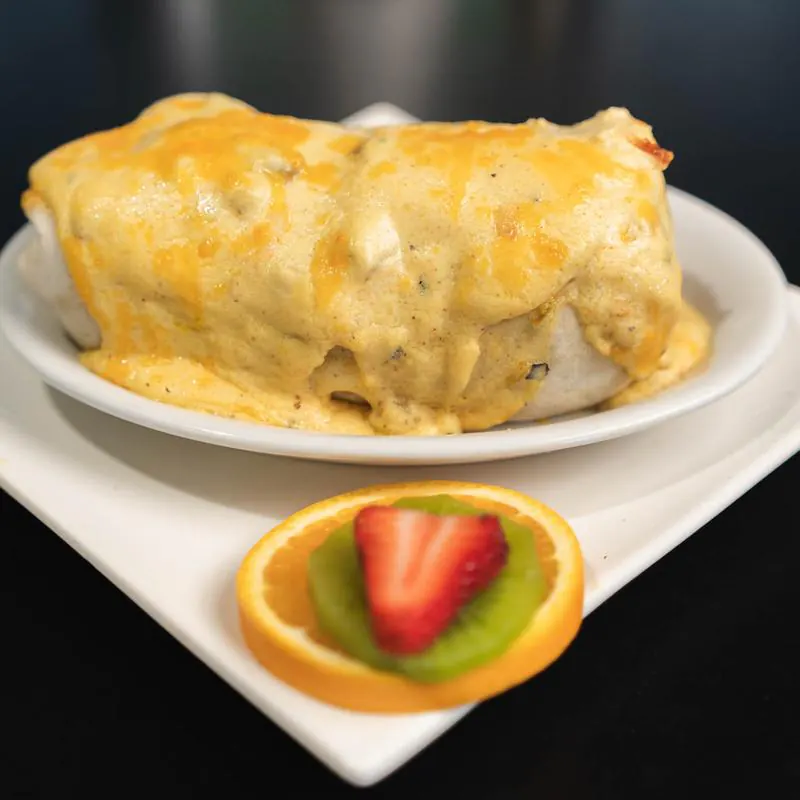
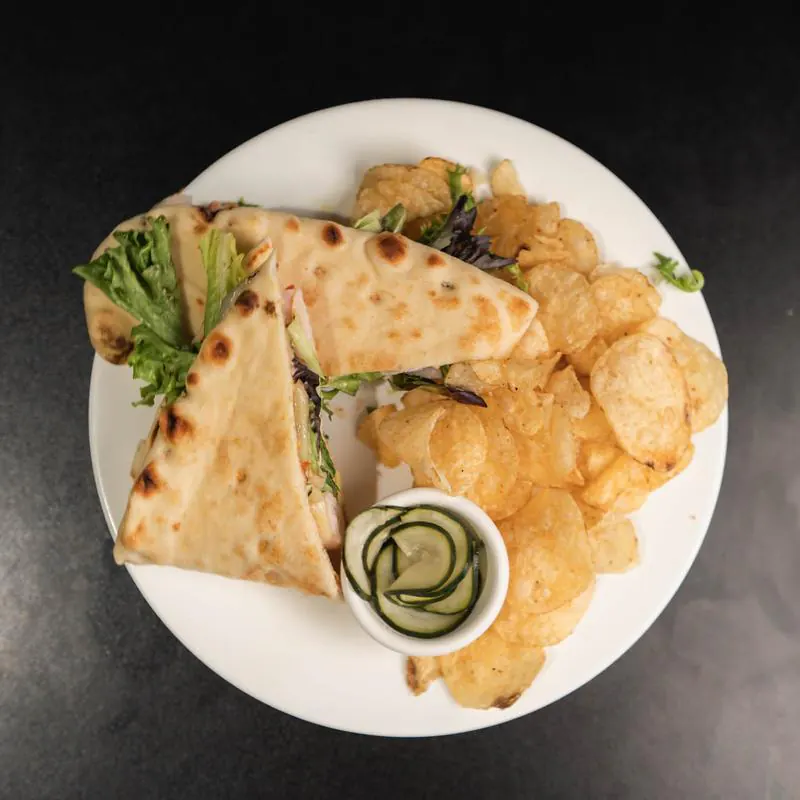
For many owners, a cafe reaches a ceiling long before demand disappears. Seats fill at the same times each day, morning lines surge and fade, lunch may or may not hold, and the kitchen sits underused during certain hours. Catering is often the cleanest way to break through that ceiling. It lets a cafe sell the same strengths, good coffee, fresh food, reliable service, into a different buying occasion with larger tickets and more predictable ordering patterns.
The appeal is obvious, but the execution is where margins are won or lost. I have seen cafes bolt catering onto the menu with little more than a PDF and a prayer. Orders come in, staff scramble, packaging runs short, drinks spill, and the owner decides catering is not worth the headache. I have also seen modest neighborhood cafes turn weekday catering into the most stable part of the business, not because they built a huge operation, but because they chose the right menu, the right customers, and the right systems.
The difference usually comes down to fit. A cafe does not need to become a banquet company. It needs to identify what it can produce consistently, package well, and deliver profitably without wrecking the in-store experience.
Start with the real advantage a cafe already has
A cafe already owns several assets that caterers spend years trying to build. It has daily production habits. It has staff who understand timing. It often has coffee expertise that generic catering companies cannot match. It may already bake, prep sandwiches, portion salads, and manage morning volume under pressure. Those are not small things.
The mistake is assuming every item on the dine-in menu belongs on a catering menu. It does not. The best cafe catering programs are narrower than the retail menu and more engineered. A breakfast sandwich that tastes great when eaten thirty seconds after handoff may disappoint if it sits in a delivery van for twenty minutes. A grain bowl may travel beautifully. A cappuccino is wonderful at the bar, but for an office meeting, boxed coffee and insulated carafes usually make more sense.
That editing process matters because catering customers buy peace of mind as much as food. They are not just buying croissants or sandwiches. They are buying an event that runs on time, feeds a group neatly, and makes them look competent in front of coworkers, clients, or guests.
The catering opportunities most cafes overlook
Most cafe owners think first about office lunches. That market matters, but it is only one lane. Revenue grows faster when you think in occasions rather than menu categories.
A neighborhood cafe can often serve nearby medical offices, real estate agencies, law firms, schools, places of worship, coworking spaces, creative studios, and local nonprofits. Then there are social orders: baby showers, family brunches, graduation mornings, post memorial gatherings, book club events, and weekend sports team breakfasts. These are not all glamorous accounts, but many are repeatable, and repeatability is what makes catering valuable.
Morning catering is especially attractive for cafes because it aligns with what they already do well. Pastry assortments, yogurt parfaits, breakfast wraps, fruit platters, and coffee service can produce strong average order values with relatively controlled labor. A cafe that opens at 7 a.m. May already have bakers, baristas, and prep cooks in motion. Adding two or three larger pickups to that stream can be easier than building a full lunch catering line from scratch.
Lunch can be lucrative too, especially if the menu favors easy assembly. Boxed lunches, sandwich platters, wraps, grain bowls, salads, and soup packages remain reliable because they solve a practical workplace problem. Dinner catering is possible, but many cafes find it less attractive unless they already have a stronger savory program and labor flexibility into the evening.
Choose formats that travel well and scale cleanly
If you want catering to feel manageable, design around transport and batch production. The most successful menus are not always the most creative. They are often the most resilient.
Here are five formats that tend to work particularly well for a cafe:
- Breakfast bundles with pastries, fruit, and boxed coffee for 8 to 20 people
- Sandwich or wrap platters with vegetarian and meat options clearly labeled
- Boxed individual meals for offices that need dietary flexibility and easy distribution
- Salad and grain bowl spreads with protein add-ons for health-conscious groups
- Dessert and coffee packages for afternoon meetings, open houses, and casual events
Each format solves a different operational problem. Platters minimize packaging cost and assembly time. Individual boxes reduce serving mess and help with allergens and preferences. Bundles raise ticket size by combining food and beverage. Dessert and coffee packages can fill slower afternoon windows and use products many cafes already make well.
The broader point is this: a cafe should not start with everything. It should start with what can be repeated under pressure. If your staff can produce thirty turkey pesto sandwiches on demand but struggle with hot egg scrambles at scale, lead with sandwiches. If your pastry case sells out daily, pastry catering may be the easier first win. Revenue expansion is not about offering the most choices. It is about offering the most dependable choices.
Coffee service can be the highest-margin difference maker
Many general caterers treat coffee as an afterthought. A cafe should not. Properly handled, coffee service is one of the strongest arguments for choosing a cafe over a broader catering company.
That does not mean sending out complicated espresso drinks for large groups unless you have a mobile setup and premium pricing to support it. More often, it means excellent drip coffee, well-insulated cambros or traveler boxes, sturdy cups, real cream options, sweeteners, and smart quantities. Few things sour a client relationship faster than running out of coffee midway through a meeting, except perhaps delivering weak coffee in flimsy containers.
A cafe that takes coffee seriously can charge appropriately because the customer sees and tastes the difference. Fresh roast dates, better beans, and more careful brewing produce a tangible result. Pair that with polished condiments and setup materials, and coffee turns from a cheap add-on into a reliable profit center.
The operational key is standardization. Decide how many cups one container realistically serves. In practice, the advertised number and the real number are often different, especially when people use larger cups. Be conservative. If a standard traveler nominally serves twelve 8 ounce cups, but most office guests pour closer to 10 or 12 ounces, quote more carefully. Better to provide slightly extra than to be remembered for shortage.
Menu engineering matters more than culinary ambition
Catering margins can disappear in places owners do not notice at first. Garnishes that look elegant in-store may add five extra minutes per platter. Customization requests can triple prep complexity. A dozen different bread choices may sound customer-friendly but can snarl production and invite mistakes.
A profitable catering menu is engineered around a few principles: overlapping ingredients, predictable portioning, efficient assembly, and low risk in transit. If the same roasted chicken appears in wraps, bowls, and salad platters, purchasing gets cleaner and waste drops. If dressings are packed separately, freshness improves and complaints fall. If every boxed lunch includes a fixed side and dessert unless upgraded, the line moves faster and food cost is easier to track.
There is room for seasonal specials, but anchor items should stay stable. Repeat clients tend to order from memory. They want to know that the breakfast package they bought last month will be similar next month. Frequent changes create uncertainty, and uncertainty depresses repeat ordering.
One owner I worked with learned this the hard way. Her cafe had a creative kitchen and a chef who loved rotating menus. Retail guests appreciated it. Catering clients did not. Administrative assistants placing recurring office orders dreaded having to relearn the menu each week. Once the cafe established a stable core of catering packages and reserved seasonal changes for one or two optional items, reorder frequency improved.
Packaging is not a side issue
Customers often judge catering quality before anyone takes a bite. They see the boxes, labels, cups, trays, napkins, and whether the order arrives organized or chaotic. Packaging Cafe is part of the product.
Cheap packaging can look like savings on paper and cost you more through leakage, sogginess, temperature loss, and damaged presentation. On the other hand, premium packaging can become a vanity expense if it adds too much without solving a functional problem. The right middle ground is sturdy, stackable, and easy to label.
Clear labeling is especially valuable. If you offer vegetarian, gluten conscious, dairy free, or nut free items, make those labels obvious. Offices are full of people grabbing food quickly between meetings. If no one can tell what is what, staff on the client side start opening boxes, mixing items, or calling the cafe with questions.
Branding matters too, but not in a flashy way. A simple sticker, a printed menu card, or a neat insert with reheating instructions can reinforce professionalism. Subtle branding is often enough. The real brand signal is competence.
Delivery can make or break the entire program
A beautifully priced menu means nothing if delivery is inconsistent. Catering buyers usually care more about accuracy and timing than novelty. If you promise an office breakfast at 8:15 a.m., arriving at 8:35 a.m. Is not a small issue. It can derail a meeting.
Some cafes handle delivery in-house. Others use third-party courier services. Both can work, but each has trade-offs. In-house drivers offer more control, better customer interaction, and usually better handling of fragile beverage service. They also require scheduling, insurance awareness, backup planning, and labor management. Third-party services may seem easier, but the handoff risk is real. Drivers may not understand setup expectations, and your brand still takes the blame if something goes wrong.
For many small cafes, a hybrid approach is practical. Use in-house delivery for larger or higher-value orders within a tight radius, and offer pickup or limited third-party delivery for smaller orders. Geography should be honest. If cross-town traffic regularly adds twenty unpredictable minutes, do not pretend you can serve that zone as reliably as the office park six blocks away.
Minimums help. Delivery should not be treated as a courtesy on tiny orders if it erodes margin and distracts the team during peak service. Customers generally understand minimums when they are clearly stated.
Pricing for profit, not hope
Catering pricing often gets set emotionally. Owners fear that customers will balk, so they undercharge. Then they discover that larger orders create more work, not less, and the apparent sales growth does not translate into cash.
The right way to think about pricing is full cost plus complexity. Food cost is only one part. Add packaging, labor for prep and assembly, delivery time, vehicle or courier expense, order management, and inevitable occasional remakes. Then ask how much operational strain the order creates during service.
Breakfast pastry platters can be wonderfully profitable if the products are already part of daily bake plans. Individually boxed hot breakfasts may not be, especially if each one requires custom modifications. A sandwich platter for twelve might produce a healthy margin. Twelve separate boxed lunches with different chips, desserts, drinks, and dietary notes may require a very different price point.
Service fees are worth considering, especially for setup-heavy orders. Some cafes bake everything into menu pricing. Others separate delivery, setup, and rentals. Either approach can work if the customer understands it upfront. Hidden fees create resentment. Transparent pricing builds trust.
You do not need to be the cheapest option to win. Many office buyers and event hosts are willing to pay more for a local cafe that answers the phone, confirms details, shows up on time, and serves food that looks fresh. Reliability has monetary value.
Build a menu for repeat buyers, not one-time browsers
Repeat catering clients are the engine. One office manager who places two orders a month is worth far more than a dozen people who like an Instagram post but never order. That means your sales approach should be designed around reducing friction.
A good catering menu is easy to scan, easy to understand, and easy to reorder from memory. Packages help. So do serving ranges like 8 to 10, 10 to 15, or 15 to 20 people. Clients do not want to solve a math puzzle. They want to know what to order for fourteen people at 9 a.m. With one vegetarian guest and a moderate budget.
Ordering channels matter here. Some cafes make the mistake of burying catering behind a generic contact form. A better setup lets customers browse, understand lead times, and place or at least initiate orders quickly. Even if final confirmation happens by phone or email, the front end should feel simple.
For regular clients, small touches matter. Save their usual preferences. Remember that one firm always wants oat milk and extra stir sticks. Note that a certain school cannot accept nut products. That kind of operational memory makes a cafe feel indispensable.
The sales work is usually more local and more personal than owners expect
Many cafes imagine catering growth will come from broad online discovery. Some of it will. Most of it comes from proximity and familiarity. The businesses most likely to order from you are often within a short drive and already know your name.
That creates a practical sales opportunity. A cafe can introduce catering by doing simple outreach to nearby offices, residential buildings with concierge staff, brokers, schools, and community organizations. Samples can help, but they need to be targeted and controlled. Do not send out random free food and hope for a return. Offer a concise tasting to qualified prospects who are likely to place repeat orders.
Community presence matters too. If your cafe already hosts small meetings, supplies pastries for a school event, or participates in neighborhood business groups, those relationships can turn into catering business. People are more likely to trust a local operation they have seen in action.
One strong tactic is to focus first on a few anchor accounts rather than chasing everyone at once. A coworking space that orders breakfast every Wednesday and lunch twice a month can smooth production and justify better staffing plans. Five steady accounts often do more for profit than fifty sporadic ones.
Operational discipline keeps catering from hurting the cafe
The biggest fear many owners have is valid: catering can disrupt the core business if it is not managed carefully. Morning walk-in regulars should not suffer because a large office order consumed all the croissants or tied up every staff member at the espresso bar.
This is where cut-off times, production planning, and inventory discipline matter. If same-day catering is possible, define where it is possible and where it is not. A cafe with a deep bakery bench may accept a few last-minute pastry orders. It may be foolish for that same cafe to accept same-day boxed lunches with ten dietary adjustments.
A practical operating checklist should cover just a handful of essentials:
- Set clear order deadlines by category, such as 24 hours for lunch and 48 hours for large custom orders
- Reserve inventory for retail before accepting oversized catering volume on fast-moving items
- Assign one point person per shift to verify labels, counts, and delivery timing
- Create standard pack-out sheets so nothing relies on memory alone
- Review every large order afterward for margin, errors, and repeat potential
This kind of discipline sounds basic because it is. Basic systems are usually what separate profitable catering from draining catering.
Staffing and scheduling need their own logic
Catering labor is different from counter labor. The best cashier may not be your best packer. The fastest line cook may not be the most detail-oriented on allergen labeling. If catering volume grows, assign responsibility explicitly. Ambiguity creates mistakes.
Some cafes designate one catering lead for every daypart. Others rotate the role but use the same pack-out procedures. Either way, the work should not live in a fog of shared assumptions. Someone should own confirmation, someone should own assembly, and someone should own final release.
As orders increase, prep windows may need to shift. For example, if office breakfast becomes significant, an earlier bakery or prep start may be more valuable than adding labor later in the afternoon. If large lunch catering creates a bottleneck from 10:30 to noon, pre-portioning and staging become essential. Good scheduling is not just about adding bodies. It is about moving the right work earlier.
Training should include client-facing standards too. Delivery staff or managers dropping off food represent the brand. Neat appearance, a basic setup routine, and the ability to answer simple questions all affect whether the customer reorders.
Seasonality can become an advantage
Catering demand often moves in patterns. Offices may order heavily in spring and fall, then soften in midsummer or around certain holiday periods. Schools and nonprofits have their own rhythms. Residential social events may pick up on weekends and around graduation season.
Rather than fight those patterns, build offers around them. A cafe can create practical seasonal packages, a winter meeting breakfast with hot oatmeal and pastries, a spring open-house coffee service, a summer boxed lunch menu built for park or field outings, an autumn staff appreciation spread. The key is not gimmicks. It is aligning what customers already need with what your kitchen can produce efficiently.
Holiday periods also create opportunities, especially if your cafe bakes well. Cookie boxes, breakfast baskets, branded coffee gifts, and small office celebration packages can widen average order values without requiring full event catering.
What to measure once catering is running
Sales alone can mislead. A busy month of large orders can look impressive while hiding thin margins and exhausted Cafe staff. A better view looks at order mix, repeat rate, average ticket, on-time performance, food cost by category, and labor hours tied to catering production.
Watch which menu items are reordered without discounting. Those are your core winners. Watch which items generate questions, substitutions, or complaints. Those are often candidates for revision or removal. Watch delivery zones and times that consistently create stress. Revenue from those zones may not be worth the operational wear.
It is also worth measuring attachment rates. If clients ordering breakfast bundles rarely add fruit or extra coffee, your packaging or pricing might not encourage it. If sandwich platters almost always convert into dessert add-ons when suggested, train staff to make that suggestion every time.
The strongest catering programs improve because owners treat them as a product line, not a side hustle.
A cafe does not need to do everything to make catering worthwhile
There is a persistent idea that catering only works if it becomes a major standalone department. That can happen, but it does not have to. For many cafes, a smart catering operation is simply an extension of existing strengths. It fills slower hours, raises average production volume, deepens local relationships, and creates more predictable revenue.
What matters is selectivity. Offer the formats your team can execute well. Price them honestly. Define your service area. Protect the in-store guest experience. Pay attention to repeat buyers. Improve the systems that remove friction.
A well-run cafe has something many catering customers are actively looking for: food that feels fresher and more personal than the standard corporate tray, plus coffee that is actually worth drinking. That combination is stronger than owners sometimes realize. When it is backed by disciplined operations, it becomes more than a nice add-on. It becomes one of the most practical ways to expand revenue without changing the soul of the business.
Bennies Cafe
17230 Jackson Creek Pkwy Ste 100, Monument, CO 80132
+1 719-445-0660
FAQ About Cafe
What is considered a café?
A café is generally an informal place to enjoy refreshments and a meal. Bennies Cafe in Monument serves breakfast and lunch in a counter-service setting, with options including eggs Benedict, sandwiches and crepes. Guests can eat in or arrange pickup.
What is the difference between a coffee shop and a café?
The terms often overlap. A coffee shop usually emphasizes coffee and other drinks, while a café may offer a broader food menu. Check the individual establishment's menu rather than relying on its name. Bennies Cafe offers coffee drinks alongside breakfast and lunch dishes.
What is the difference between café and coffee?
In everyday English, a café is a place where people buy food and drinks, while coffee is the beverage. The word café comes from the French word for coffee. Bennies Cafe serves options such as brewed coffee, espresso and lattes as part of its drinks menu.