How to Adapt Your Cafe to Changing Customer Habits
Customer habits rarely change all at once. They shift in small, practical ways, then suddenly those small changes become the new normal. A guest who once sat for 90 minutes with a second coffee now wants a quick pickup on the way to work. A lunchtime regular starts ordering later because their office runs hybrid. Weekend traffic gets stronger while midweek softens. Payment expectations change. Patience changes. What people consider value changes too.
For a cafe owner or manager, these shifts can feel frustrating because they often arrive before the operation is ready for them. A room designed for leisurely morning trade may now need to handle a rush of mobile orders. A menu built around in-house dining may underperform when customers want portability, speed, and customization. Staff who are excellent at warm table service may need support learning how to manage digital tickets, queue flow, and delivery timing without sacrificing hospitality.
The good news is that adapting does not require tearing everything down and starting again. Most successful changes in a cafe come from close observation, better operational choices, and a willingness to adjust what used to work well. The strongest operators I have seen are not the ones who chase every trend. They are the ones who notice what their own customers are actually doing, then make measured changes that improve convenience, consistency, and experience.
Start by watching behavior, not just listening to opinions
Customers will tell you what they want, but their behavior tells the clearer story. That matters because stated preferences and buying patterns do not always match. Someone may say they love a broad pastry range, yet sales data might show that three items drive most of the category. A regular may insist they come for the atmosphere, but if they only buy during the morning rush, speed is probably just as important as ambience.
A useful place to begin is with a simple review of your dayparts. Look at what sells from opening to mid-morning, mid-morning to lunch, lunch to mid-afternoon, and the final part of the day. Many cafes run on assumptions that were true two or three years ago. Trade patterns may now be completely different. You may find that breakfast is shorter and sharper, lunch is later, and afternoon coffee has split into two customer types, people staying to work and people collecting takeaway on the move.
This is where point-of-sale data becomes practical rather than abstract. You do not need a complicated dashboard to spot meaningful patterns. Average transaction value, product mix by hour, modifier usage, voids, discount frequency, and ticket completion times can reveal far more than a general sense that “it feels quieter” or “people are buying differently.” Pair that data with ten or fifteen minutes of floor observation at peak periods and you will usually identify operational friction very quickly.
I once worked with a neighbourhood cafe that believed sales were slipping because local demand had softened. The real issue was queue abandonment. Customers coming in before work were leaving when they saw six or seven people ahead of them, even though the queue looked manageable from behind the counter. The fix was not a marketing campaign. It was a tighter grab-and-go offer, pre-batched filter coffee, and a clearer collection point for quick purchases. Revenue in that daypart lifted because the business removed hesitation.
The modern cafe customer values time differently
One of the most important habit shifts in recent years is not simply that customers want convenience. They always did. The change is that tolerance for wasted time is much lower. People notice unclear queues, delayed drinks, clumsy ordering, and menus that make simple decisions harder than they need to be.
A cafe does not have to become impersonal to be efficient. In fact, speed often improves hospitality because it reduces customer stress. The guest running late for a meeting wants a cheerful interaction, but they also want confidence that their order will be accurate and ready when promised. Warmth and pace are not opposites. The best operators train for both.
That usually means taking a hard look at the journey from door to drink. Where does the customer hesitate? Where do staff repeat the same explanation all day? Which drinks create production bottlenecks? Are takeaway customers waiting behind seated guests who are deciding on food? Is there enough visual guidance for new customers who do not know the house flow?
Sometimes small changes have outsized effects. A separate till for coffee-only orders may be unnecessary in one space and transformative in another. Moving lids, napkins, and sugar away from the handoff area can reduce congestion. Tightening the menu board copy can shave seconds off each transaction, which matters during a ten-minute rush window.
Menu design should reflect how people actually buy
Many cafes are carrying menus built for an earlier style of trading. They include too many low-volume items, too many slight variations of the same product, or too many dishes that are attractive on paper but awkward in a busy service. When customer habits change, the menu has to change with them.
This does not mean stripping out personality. It means being honest about what earns its place. Every item should justify itself through margin, demand, strategic value, or brand identity. If it does none of those things, it may simply be adding complexity.
Customers today often want one of three things from a cafe menu: reliable staples, easy customization, or one distinctive item that feels worth going out of the way for. Problems start when the menu tries to overdeliver in every direction. A six-page menu in a small cafe usually signals weak editing. It slows ordering, increases waste risk, and stretches prep standards.
Portability is another area many operators underestimate. More customers are eating while walking, commuting, or working at a laptop. That changes what works. A beautiful plated dish that falls apart in a compostable takeaway box will disappoint. A sandwich that travels well and holds quality for 20 minutes may outperform a more ambitious option because it suits the customer’s real life.
Beverage menus deserve the same scrutiny. If iced drinks now make up a larger share of sales for more months of the year, the cafe needs a setup that supports them cleanly and quickly. If alternative milks represent a large portion of orders, those costs need to be reflected in pricing discipline and purchasing decisions. If flavored drinks are bringing in younger customers, there is no virtue in resisting the category on principle. The real question is whether you can execute it in a way that still fits your brand.
Seating habits have changed, and space should respond
Cafe owners often think in terms of occupancy, but not enough think in terms of seat purpose. Not every chair has the same commercial value. A two-top by the window, a communal work table near sockets, and a quick-perch stool by the entrance all serve different customer needs and create different dwell times.
Hybrid work changed this in many markets. Some guests now treat cafes as occasional offices. Others actively avoid venues that feel dominated by laptops. Both groups can be valuable, but they need managing. If your layout was designed before this shift, the room may be sending the wrong signals.
A practical approach is to zone the space without making it feel rigid. Comfortable seats and power access can sit further inside the room, while quick-turn tables remain near the front. Clear but polite house policies can support this, especially during peak periods. You do not need aggressive signage. Sometimes staff phrasing does the job better than a printed rule. “Just to let you know, this section gets busy from 12 to 2, so we reserve it for dining during lunch” lands Cafe more softly than a wall of restrictions.
Noise and lighting matter as well. Customers who stay longer tend to notice these details more than operators do. If people are increasingly using your cafe for meetings or focused work outside peak hours, harsh acoustics or poor charging access will push them elsewhere. If your trade is moving toward shorter visits, oversized furniture and sprawling table layouts may be costing you capacity.
The space should match the customer mix you want, not the one you inherited.
Digital convenience is now part of basic service
A surprising number of otherwise good cafes still treat digital tools as optional extras. Customers do not. They may not demand every new app or loyalty platform, but they do notice when basic convenience is missing. Online menus, accurate hours, contactless payment, digital receipts, preorder options, and responsive business listings all affect buying decisions.
This does not mean every cafe needs a full mobile ordering ecosystem. Digital convenience should solve real customer friction, not create more complexity. In some cafes, a preorder option for morning coffee is extremely useful. In others, it clogs a small bar and disrupts in-person flow. The decision depends on staffing, volume, and physical layout.
Where digital really earns its place is in consistency and clarity. If your opening hours differ across Google, Instagram, and the front door, customers lose trust. If your menu online is outdated, people arrive expecting items you no longer serve. If your collection process is vague, mobile ordering becomes a frustration rather than a benefit.
Loyalty deserves careful thought too. Old-style stamp cards still work in the right setting because they are simple and visible. Digital loyalty can provide stronger data, but only if it is easy for staff to explain and easy for customers to use. Too many programmes fail because they ask for too much setup at the till. A loyalty scheme should support the pace of your service, not interrupt it.
Price sensitivity is real, but value still wins
Customers are paying closer attention to spend. That does not automatically mean they want the cheapest option. It means they are evaluating whether the price feels fair for what they receive. In a cafe, value is a combination of product quality, portion, service, speed, comfort, and brand trust.
Operators sometimes react to pressure by discounting too quickly. That can be dangerous. Once customers get used to promotions, returning to full pricing becomes harder. A better approach is to sharpen the value proposition. That may mean improving bundle design, tightening portion consistency, or making premium choices feel more clearly worth the upgrade.
There is often room to rethink menu architecture. A well-priced breakfast pair, coffee plus pastry, or soup and half sandwich can lift perceived value without eroding margin if the products are chosen carefully. Equally, a premium single-origin brew or indulgent seasonal special can work if it feels intentional and distinct.
What does not work well is confused pricing. If customers cannot understand why one item costs significantly more than another, they hesitate. If modifiers stack unpredictably, they feel nickeled and dimed. Transparency matters. So does confidence. Staff should be able to explain the difference between products in a sentence or two, especially when encouraging trade-up.
One practical test is to review your top ten sellers and ask whether each price aligns with current ingredient costs, prep time, and customer expectations. Many cafes avoid this exercise because it is uncomfortable. It is still necessary. Habits change, costs change, and pricing that made sense eighteen months ago may now be weakening the business.
Staff habits must evolve alongside customer habits
No adaptation plan survives weak team execution. A cafe can redesign its menu, update its seating, and improve digital ordering, but if staff are not trained for the new reality, the customer will feel the gap immediately.
Training should start with the reason behind the change. Teams usually respond better when they understand what the business is seeing. If takeaway demand is up, explain how that affects Cafe bennies.cafe ticket flow and handoff expectations. If lunch has become less predictable, explain why prep and communication matter more. Staff on the floor often notice changes before management does, so involving them early is both smart and respectful.
Cross-training has become more valuable in this environment. Customer demand now shifts more sharply by hour, weather, school calendars, local events, and remote work patterns. A team built around rigid role separation can struggle when the rush does not arrive exactly as expected. That does not mean everyone should do everything all the time. It means enough overlap should exist to prevent service from stalling when pressure moves from till to bar to kitchen.
A few habits are worth reinforcing in almost any cafe adapting to current demand:
- Acknowledge customers quickly, even when the queue is deep.
- Repeat takeaway and modifier details clearly.
- Keep the handoff area visible and calm.
- Flag delays early instead of hoping they go unnoticed.
- Reset high-contact areas continuously during peak periods.
None of that is glamorous, yet these behaviors shape customer confidence. Guests are often forgiving about a short delay if they feel seen and informed. They are far less forgiving when service seems disorganized or indifferent.
The right changes are usually operational before they are cosmetic
When trade softens or habits shift, it is tempting to think the answer lies in a refurb, a rebrand, or a new social media strategy. Those things can help, but they are rarely the first fix. Most cafes get more return from operational corrections than from cosmetic ones.
Consider ticket times. If hot food regularly takes twelve to fifteen minutes during a morning coffee rush, the issue may be production sequencing rather than demand generation. If waste is running high in bakery, the issue may be ordering rhythm rather than footfall. If afternoon trade is weak, the answer may be a better product fit for that daypart rather than more generic promotion.
A disciplined owner will ask a few hard questions before spending heavily. Where are we losing sales right now? Which part of the day is underperforming? Which products are slow, messy, or unprofitable? What do customers ask for that we do not currently make easy? Those questions tend to produce clearer action than broad reinvention.
That said, presentation still matters. If customer habits are moving toward quick pickup and visual browsing, your merchandising must keep up. Fridges should be easy to shop. Pastries should look abundant but not chaotic. Collection points should be obvious. Signage should answer the questions staff hear most often. Good design supports operations. It does not substitute for them.
Use small experiments instead of dramatic overhauls
Some owners delay change because they assume adaptation must be expensive and risky. In practice, the best changes are often tested in small, controlled ways. A cafe can trial a reduced menu on Tuesdays and Wednesdays, introduce a new combo for three weeks, shift table layouts temporarily, or test preorder collection from a separate station during peak hours.
Short experiments produce two benefits. First, they lower the emotional stakes. Second, they generate real evidence. That is important because instinct can be misleading, especially when operators are tired or attached to past successes.
A sensible test should answer a specific question. Will a streamlined lunch menu improve speed and margin? Will a smaller pastry range reduce waste without lowering spend? Will extending opening by one hour on Fridays create enough sales to justify labour? Vague experiments tend to produce vague lessons.
The review process matters as much as the test itself. Set the measure in advance. That might be average transaction value, labour percentage in the daypart, item sell-through, queue length, or customer feedback. If the result is mixed, look for nuance rather than forcing a yes or no. Sometimes a trial fails on execution but still reveals demand.
Community still matters, but it looks different now
A local cafe has always been more than a place to buy coffee. That remains true, although community participation now happens through a mix of physical and digital touchpoints. Regulars still value recognition, but many discover and assess a cafe online before ever stepping inside. Community is now built through consistency across both spaces.
That can mean featuring local suppliers with more clarity, hosting low-lift events during slower periods, or simply engaging online with accuracy and personality. The point is not to manufacture a sense of belonging. Customers can spot that quickly. The point is to make the cafe feel attentive to the rhythms of the people around it.
If nearby offices are quieter midweek, perhaps your offer should lean harder into neighbourhood residents, parents after school drop-off, or freelancers seeking an afternoon base. If weekends have become more social, perhaps the room should feel warmer and the menu slightly more indulgent then. A cafe does not need to be everything to everyone. It does need to know who it serves at different times.
One independent site I know began opening earlier twice a week because local fitness classes ended nearby just before 7 am. The change was modest, the menu was focused, and staffing remained tight. It worked because the decision came from a real local pattern, not a generic growth idea. That is how community adaptation usually succeeds, by paying attention to actual habits within walking distance.
What to review every month
Adaptation is not a one-time project. Customer habits keep moving, sometimes seasonally, sometimes structurally. A monthly review creates enough rhythm to notice change without becoming obsessive.
A strong monthly check-in should cover the following:
| Area | What to look for | |---|---| | Sales mix | Which categories are gaining or losing share by daypart | | Service flow | Delays, queue points, handoff confusion, staff pinch points | | Seating use | Dwell time, laptop concentration, underused zones | | Customer feedback | Repeated comments, not isolated complaints | | Margin pressure | Items with rising cost or weak contribution |
This kind of review is far more useful when paired with direct observation. Spend an hour in the room at a peak you do not usually work. Watch where people pause. Listen to what they ask. Notice what staff have to explain repeatedly. Those details often reveal the next improvement faster than a spreadsheet can.
Adapt the experience without losing your identity
The fear underneath many operational decisions is understandable. Owners worry that if they adapt too much, the cafe will stop feeling like itself. That can happen, especially when changes are reactive and trend-led. But refusing to adapt carries its own risk. A cafe that ignores changing customer habits can slowly become inconvenient, then irrelevant, while still believing its original concept is enough.
The answer is not to abandon identity. It is to express that identity in ways that fit current behavior. A quality-focused cafe can still move quickly. A hospitality-led cafe can still introduce digital convenience. A design-conscious cafe can still optimize for takeaway. These are not compromises if they are done thoughtfully. They are updates in service of the same core promise.
Customers rarely expect perfection. They do expect awareness. They can tell when a cafe is paying attention to how people live now rather than how they lived three years ago. The businesses that endure are usually the ones willing to make practical adjustments early, before the market forces them into rushed decisions later.
If you run a cafe, the habits worth studying are already in front of you. They show up in the queue at 8:15, the empty tables at 2:30, the drinks that spike in warm weather, the food that never quite earns a reorder, and the regular who now comes in on Thursdays instead of every weekday. Pay attention to those signals, respond with discipline, and your cafe can stay relevant without losing what made it worth visiting in the first place.
Bennies Cafe
17230 Jackson Creek Pkwy Ste 100, Monument, CO 80132
+1 719-445-0660
FAQ About Cafe
What is considered a café?
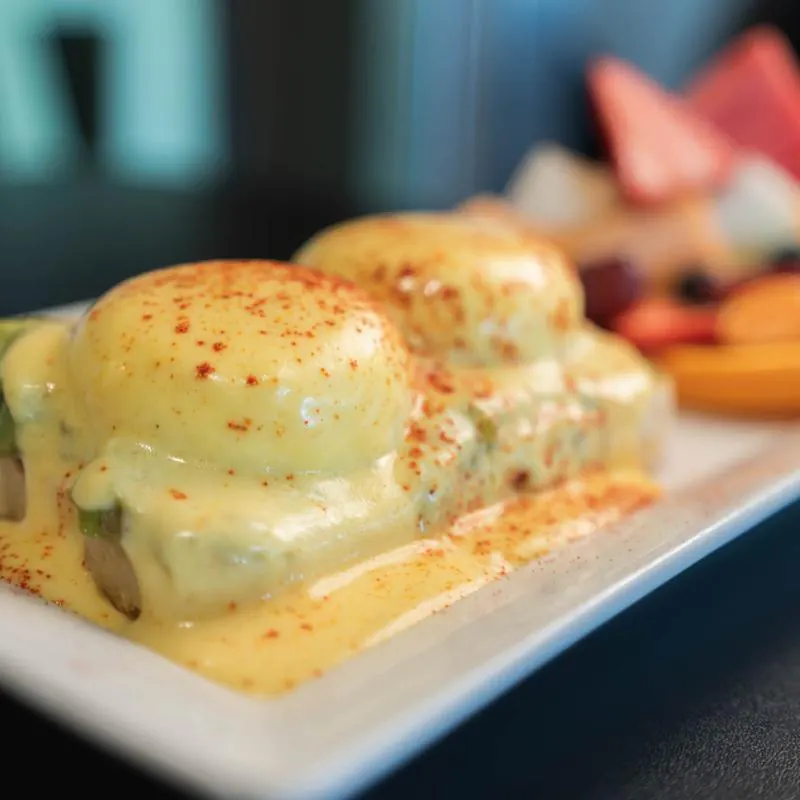
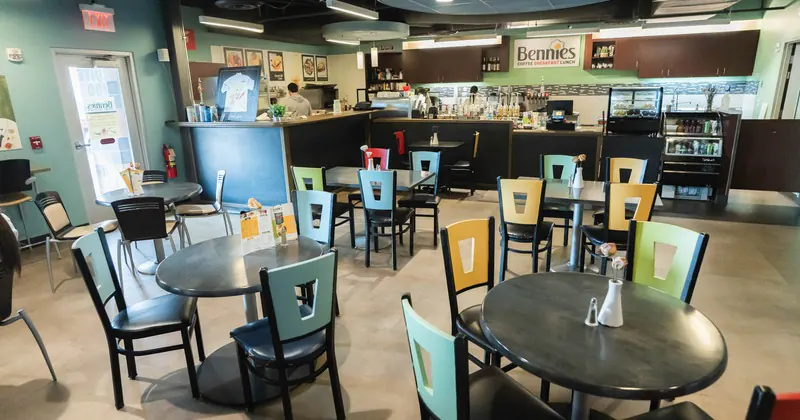
A café is generally an informal place to enjoy refreshments and a meal. Bennies Cafe in Monument serves breakfast and lunch in a counter-service setting, with options including eggs Benedict, sandwiches and crepes. Guests can eat in or arrange pickup.
What is the difference between a coffee shop and a café?
The terms often overlap. A coffee shop usually emphasizes coffee and other drinks, while a café may offer a broader food menu. Check the individual establishment's menu rather than relying on its name. Bennies Cafe offers coffee drinks alongside breakfast and lunch dishes.
What is the difference between café and coffee?
In everyday English, a café is a place where people buy food and drinks, while coffee is the beverage. The word café comes from the French word for coffee. Bennies Cafe serves options such as brewed coffee, espresso and lattes as part of its drinks menu.