How to Create a Relaxing Cafe Environment for Remote Workers
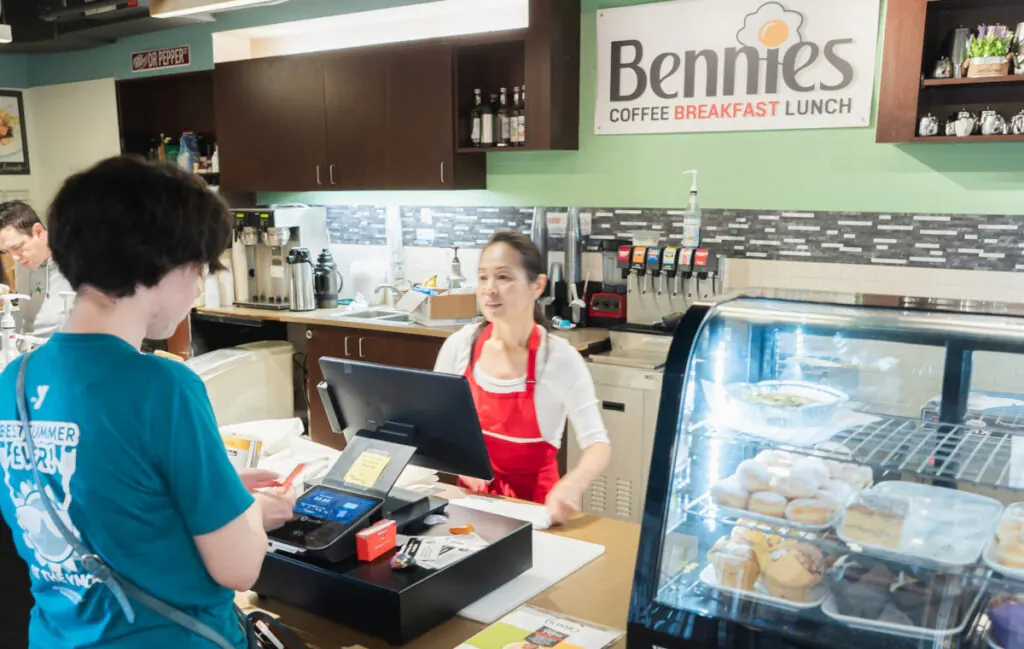
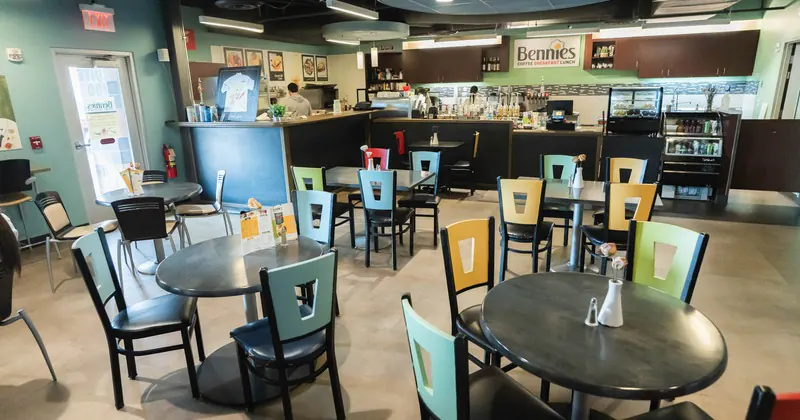

A cafe that attracts remote workers is not simply a place with coffee and Wi-Fi. It is a place that understands attention. People who work from laptops do not just buy drinks, they buy time, comfort, and a setting that makes concentration feel easier than it would at home. If the room is too loud, they leave. If the chairs punish their back after forty minutes, they leave. If the staff makes them feel unwelcome for staying through a second cup, they rarely return.
The strongest cafe environments for remote work strike a delicate balance. They feel alive, but not chaotic. They support long stays without turning into a silent co-working box. They preserve the warmth and spontaneity of hospitality while making room for focused work. Getting that balance right can turn a slow mid-morning stretch into one of the most reliable parts of the day.
I have seen this firsthand in independent coffee shops that accidentally became local work hubs, and in others that tried to serve remote workers but missed basic operational realities. The difference is usually not a single big design move. It is a collection of small decisions that work together, from where the outlets go to how music changes after lunch.
Start with the kind of workday you want to host
Before moving furniture or shopping for softer lighting, decide what role your cafe should play in a remote worker’s day. Some cafes are best suited to short, focused sessions between meetings. Others can support people who settle in for three or four hours and order gradually. Those are different models, and they require different choices.
A compact neighborhood cafe with strong foot traffic may do better by encouraging ninety-minute stays and prioritizing table turnover. In that case, comfort matters, but so does circulation. A larger space near offices or residential buildings may benefit from becoming a dependable work destination from mid-morning to late afternoon. That kind of cafe needs more power access, more seating variety, and a staff rhythm that supports quieter service.
Remote workers are not one audience either. A freelance designer on deadline wants something different from a sales manager hopping on video calls. A writer may love a steady murmur of conversation, while a software engineer may need a back corner and a stable chair. You do not have to satisfy every kind of worker. You do need to know which ones your space naturally serves best.
Comfort is practical, not decorative
Many owners think about atmosphere first and ergonomics second. Remote workers reverse that order within minutes of sitting down. A beautiful room can win someone’s first visit, but only physical comfort earns the second.
Chair selection matters more than most cafe operators expect. The most photogenic chair in a showroom often becomes intolerable during a long work session. Seats that are too low force a hunch. Seats without enough support make people shift constantly. Stools can work along a window bar or quick-use counter, but they should not dominate the room if you want people to work for long stretches.
Tables are just as important. Very small round tables look charming and frustrate anyone with a laptop, notebook, drink, and phone. The ideal work-friendly table gives enough width for a 13 to 15 inch laptop and still leaves space for a cup without creating spill anxiety. Surface stability matters too. A wobbly table can ruin an hour.
If budget is limited, improve the tables and chairs you already have before buying decorative accessories. Felt pads, levelers, better spacing, and a mix of chair styles can Cafe make an immediate difference. Comfort is often less about luxury than about reducing friction.
Noise should feel textured, not aggressive
Silence is not the goal. Most remote workers choose a cafe because they like some ambient life around them. The problem starts when that ambiance becomes unpredictable or fatiguing.
A relaxing cafe environment usually has what I think of as layered sound. There is background music, low conversation, occasional espresso machine noise, and movement. None of those should dominate for long periods. Sharp, repetitive sounds are what wear people down. The metal crash of dishes tossed into bins, blender bursts every two minutes, chairs scraping rough floors, and speakers turned up to compete with a lunchtime rush all make the room feel more stressful than lively.
Music deserves careful handling. Tempo influences behavior more than many operators realize. Faster playlists can increase energy and turnover, which may be useful during peak breakfast. They are less helpful during the late morning and early afternoon when remote workers settle in. Mid-tempo or mellow music at a moderate volume usually serves the widest range of guests. Instrumental tracks work well in many cafes because they fill the room without demanding attention, though lyrical music can be fine if the volume stays sensible.
Hard surfaces create another issue. Concrete, glass, metal, and tile often look clean and modern, but they amplify noise. You do not need to turn the cafe into a carpeted lounge. A few acoustically useful choices, upholstered banquettes, curtains, bookshelves, wood slats, cork panels, or even strategic plants, can soften reflections and make the room noticeably calmer.
Lighting shapes attention more than decor does
People can tolerate imperfect furniture for a while. They struggle much more with bad light. A relaxing cafe for remote workers should feel bright enough to support reading and screen use, without becoming harsh or clinical.
Natural light is an obvious asset, but it needs control. A sunny front window can be wonderful at 9 a.m. And unbearable by noon if guests are squinting into glare or watching their screens disappear. Sheer shades, angled seating, and a mix of brighter and dimmer zones help. Not every table needs the same feel. Some people want the sunlit communal table. Others want a calmer corner with indirect light.
Artificial lighting should be layered rather than uniform. Overhead lighting that floods every inch of the room can flatten the atmosphere and increase visual fatigue. A better approach is to combine ambient lighting with task-friendly pools of brightness over work surfaces or shared tables. Warm bulbs often feel more welcoming, but if they are too dim, they can make laptop work tiring. The sweet spot is usually warm to neutral lighting with enough intensity to keep eyes relaxed.
One mistake I see often is designing the room for evening mood and forgetting the daytime work crowd. A cafe can still look intimate without turning midday into a cave. If remote workers are part of your customer base, daylight functionality has to come first.
Wi-Fi is part of hospitality now
For remote workers, internet quality is not a perk. It is infrastructure. If the connection drops during a call or drags during file uploads, the room stops being relaxing no matter how good the coffee is.
That does not mean you need enterprise-grade complexity on day one, but you do need consistency. A connection that is strong near the register and weak in the back half of the cafe creates a frustrating experience that guests remember. If your space is deep or has thick walls, simple extender setups are not always enough. It is worth getting a professional opinion if you want the room to function reliably.
The sign-in experience matters too. If guests need to ask for a password every time, or the captive portal reloads unpredictably, you introduce friction right at the moment they are trying to settle into work. Keep it simple and stable.
Power access belongs in the same conversation. People are far more relaxed when they know they can charge without circling the room in search of a wall outlet. This does not require a socket at every seat. It does require enough accessible options that charging feels normal rather than competitive. Seat placement should reflect this. Do not install power and then block it behind fixed furniture or awkward traffic lanes.
Layout should support both focus and flow
The best remote-work-friendly cafe layouts do two things at once. They give guests a sense of personal space, and they keep the room operationally efficient for staff.
Spacing is a major factor. Tables packed too tightly force people into each other’s calls, screens, and elbows. That tension makes the whole room feel more exposed. Give enough distance that guests do not feel like they are borrowing privacy from strangers. Even a small increase in spacing can make a cafe feel significantly calmer.
Zoning helps. A cafe does not need formal signs everywhere, but subtle areas make a difference. A brighter communal table near the center can suit casual work and short stays. Perimeter two-tops can serve deeper focus. A less work-oriented area near the entrance may absorb noisier social traffic and protect the calmer core of the room. This kind of arrangement helps everyone without making the place feel policed.
Sightlines matter more Cafe than people think. Remote workers often prefer seats where they can see the room without feeling fully exposed to it. Banquette seating along a wall, window bars facing outward, and corner tables with visual shelter are usually popular. Seats directly beside the queue, the dish station, or the entrance door are usually the least restful, even if the lighting is nice.
The menu should match the rhythm of a work session
Remote workers order differently from pure grab-and-go customers. They tend to stay longer, order in stages, and appreciate a menu that supports sustained energy rather than a sugar spike and crash.
Coffee quality still matters, of course, but the broader offer matters too. Good tea options, sparkling water, simple refill policies, and a few substantial but tidy food items can increase both comfort and revenue. Nobody wants to work for three hours fueled only by an over-sweet pastry. A well-made toast, yogurt bowl, sandwich, or savory bake can quietly turn your cafe into a regular workplace.
This is also where timing matters. If the kitchen creates long delays or noisy interruptions during your strongest work hours, the atmosphere suffers. Sometimes the answer is not adding more menu items, but tightening the ones you already execute well. A focused menu can reduce back-of-house stress and keep the front-of-house environment calmer.
One independent cafe I visited regularly handled this elegantly. It offered a morning menu that was fast and compact, then shifted to a few lunch items that held well and arrived quickly. That meant fewer blender storms, less queue backup, and a room that stayed steady through the day. Guests worked longer, ordered more gradually, and the whole place felt composed.
Staff behavior sets the tone more than signage ever will
You can post laptop policies and Wi-Fi rules, but remote workers read the room through staff cues. If the team seems irritated by long stays, people pick up on it. If the service style is warm, clear, and confident, guests relax.
This does not mean staff should hover or treat workers like members of a club. It means they should understand how the room is meant to function. A simple greeting, an easy explanation of where power outlets are, and a calm approach to table clearing all contribute to the feeling of ease. So does tact. Interrupting someone on a visible call to ask whether they want anything else is rarely ideal. Checking in during natural pauses works better.
Training should also cover the boundaries of hospitality. Remote workers are welcome guests, but the cafe is not a free office. Staff need a consistent, polite way to handle peak-time seating pressure, outside food, excessive call volume, or guests occupying large tables for long periods with minimal ordering. When expectations are clear internally, the team can enforce them without awkwardness.
A short operating checklist can help keep that standard visible:
- Keep music at a level where two people can talk comfortably without leaning in.
- Walk the room twice a day to test Wi-Fi strength and outlet access from a guest’s perspective.
- Reserve a few seats with the best ergonomics for general use rather than letting bags occupy them.
- Clear dishes quietly and avoid noisy stacking near work zones.
- Adjust lighting and temperature by time of day, not by a fixed all-day setting.
Temperature, air, and scent are part of the experience
People notice temperature only when it is wrong, and then they notice little else. A room that is too warm makes concentration sluggish. One that is overcooled pushes people out sooner than they intended. The right setting depends on climate, occupancy, and equipment heat, but in many cafes the challenge is inconsistency. The front near the windows is comfortable, the back corner is stuffy, and the seats under the vent are freezing.
Good airflow matters just as much. Remote workers stay long enough to feel stale air, kitchen drift, or the heat generated by a full room of laptops and bodies. If the cafe feels fresh, people often cannot explain why they like being there. They just do.
Scent deserves restraint. Fresh coffee and baked goods create a naturally inviting atmosphere. Aggressive fragrancing, heavily perfumed cleaners, or overly scented candles can make a work session unpleasant fast. Subtle and clean wins every time.
Policies should protect the atmosphere without killing warmth
Every cafe that welcomes remote workers eventually runs into the same operational questions. Do you limit laptop use at lunch? Do you ban calls? Do you require a minimum spend? There is no universal answer, because the right policy depends on seat count, demand patterns, and business model.
What matters is coherence. If your space is small and lunch turnover is critical, a no-laptops-during-peak-hours policy can be perfectly reasonable. What fails is inconsistency, when one staff member enforces it and another does not, or when guests only discover the rule after settling in. Clear, courteous communication avoids resentment.
Call etiquette is another area where nuance helps. A blanket ban on calls may be unnecessary, but nobody wants a room taken over by back-to-back sales meetings. A softer standard often works better. Quiet headphone use is fine. Short, low-volume calls are acceptable. Extended meetings should move outside or to designated seats if the layout permits.
If you do post house rules, keep them human. People respond better to a tone that sounds like hospitality than compliance.
Small details create outsized calm
Relaxing environments are often built from details that seem minor in isolation. A place to hang a coat. A bag hook under the counter seat. A shelf for water stations that does not force people to hover near working guests. Restrooms that are consistently clean by early afternoon rather than only at open and close. These things sound ordinary because they are. That is the point.
Remote workers quickly become sensitive to friction because they are trying to maintain focus across hours, not minutes. If they have to stand up three times to reposition themselves near an outlet, guard a table while they refill water, or shift seats because sunlight moved across the laptop screen, the environment stops feeling supportive. The most effective cafes remove those interruptions quietly.
Plants can help too, if they are healthy and placed with intention. Greenery softens edges and improves the feel of a room, but neglected plants do the opposite. A few well-maintained ones are better than a jungle of dust-catching décor.
Common mistakes that make a cafe feel less relaxing
Some problems show up repeatedly in cafes that want remote workers but do not fully understand their needs.
- Designing for Instagram rather than comfort, especially with tiny tables and rigid chairs.
- Treating Wi-Fi and outlets as optional extras instead of core amenities.
- Letting music volume drift upward during busy periods.
- Using one lighting mood all day, regardless of daylight or work patterns.
- Posting strict laptop rules without offering any alternative seats or explaining peak-hour needs.
These mistakes are fixable. Most do not require renovation. They require observation. Sit in your own cafe with a laptop for two hours at three different times of day. Try to work. Notice where your body tenses, what interrupts concentration, and which seats feel naturally better. That exercise reveals more than many owner meetings.
A relaxing cafe is one people trust with their time
Remote workers return to places that feel dependable. They want to know the coffee will be good, the internet will hold, the chair will not punish them, and the room will support the kind of attention their day requires. When a cafe gets those fundamentals right, it becomes part of a person’s working life, not just a stop for caffeine.
That loyalty has real business value. Regular remote workers often become some of the most predictable guests on the roster. They visit at quieter hours, buy repeatedly across longer stays, recommend the space to others, and bring a certain steady energy that can make a room feel comfortably occupied rather than half-empty.
Creating that kind of environment is less about chasing trends and more about operational empathy. Think like a host, but also like a person trying to write a proposal, finish a deck, or survive three hours of focused work outside the house. When your cafe makes that easier, people feel it immediately. And when they feel it, they come back.
Bennies Cafe
17230 Jackson Creek Pkwy Ste 100, Monument, CO 80132
+1 719-445-0660
FAQ About Cafe
What is considered a café?
A café is generally an informal place to enjoy refreshments and a meal. Bennies Cafe in Monument serves breakfast and lunch in a counter-service setting, with options including eggs Benedict, sandwiches and crepes. Guests can eat in or arrange pickup.
What is the difference between a coffee shop and a café?
The terms often overlap. A coffee shop usually emphasizes coffee and other drinks, while a café may offer a broader food menu. Check the individual establishment's menu rather than relying on its name. Bennies Cafe offers coffee drinks alongside breakfast and lunch dishes.
What is the difference between café and coffee?
In everyday English, a café is a place where people buy food and drinks, while coffee is the beverage. The word café comes from the French word for coffee. Bennies Cafe serves options such as brewed coffee, espresso and lattes as part of its drinks menu.